UT Austin Launches a Venture Studio to Turn Research Into Companies
The university's Discovery to Impact unit is building startups from the ground up, starting with medical 'digital twins.'
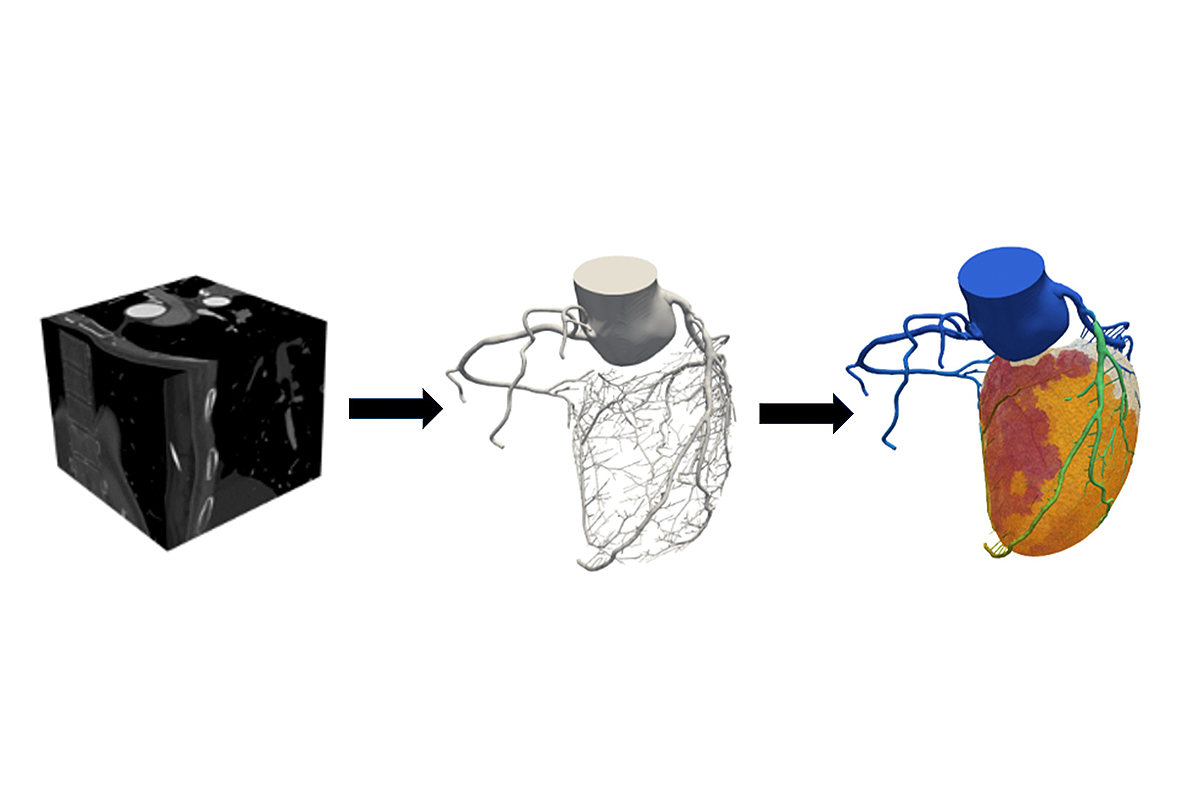
The University of Texas at Austin is moving further into company-building. Its Discovery to Impact unit has launched a venture studio designed to create startups from scratch around university research, aiming to push next-generation science out of the lab and into the market. The studio's first focus is medical 'digital twins,' virtual models of individual patients meant to personalize and sharpen healthcare decisions.
That inaugural venture is being guided by a researcher recognized internationally for work in artificial intelligence, machine learning and digital-twin technology, and who cofounded the AI healthcare company HeartFlow. The studio model goes a step beyond traditional tech transfer: instead of licensing discoveries out, UT intends to assemble teams, capital and operating talent around them directly.
The effort joins a dense university entrepreneurship apparatus that already includes the Austin Technology Incubator, the longest-running university-affiliated tech incubator in the country, and the Texas Venture Labs accelerator at the McCombs School of Business, which takes no equity. UT alumni already sit behind a long list of Austin companies, among them robotics firm Apptronik, cofounded by graduates of the university's robotics lab.
Why it matters
University research has long been one of Austin's most underused startup pipelines, with breakthroughs too often licensed away rather than commercialized locally. A venture studio that builds and capitalizes companies in-house could keep more of that value, and the founders who create it, in the city. If the digital-twins bet works, it offers a template for converting UT's deep-tech strength into a steady supply of homegrown companies.
The vibrant entrepreneurial community Austin is known for didn't just happen. It was the direct result of willingness to make time and space for people to connect and build.— J. B. Sauceda, Founder, Sauceda Industries
Reported by Next in Austin. Based on reporting from UT Austin News.