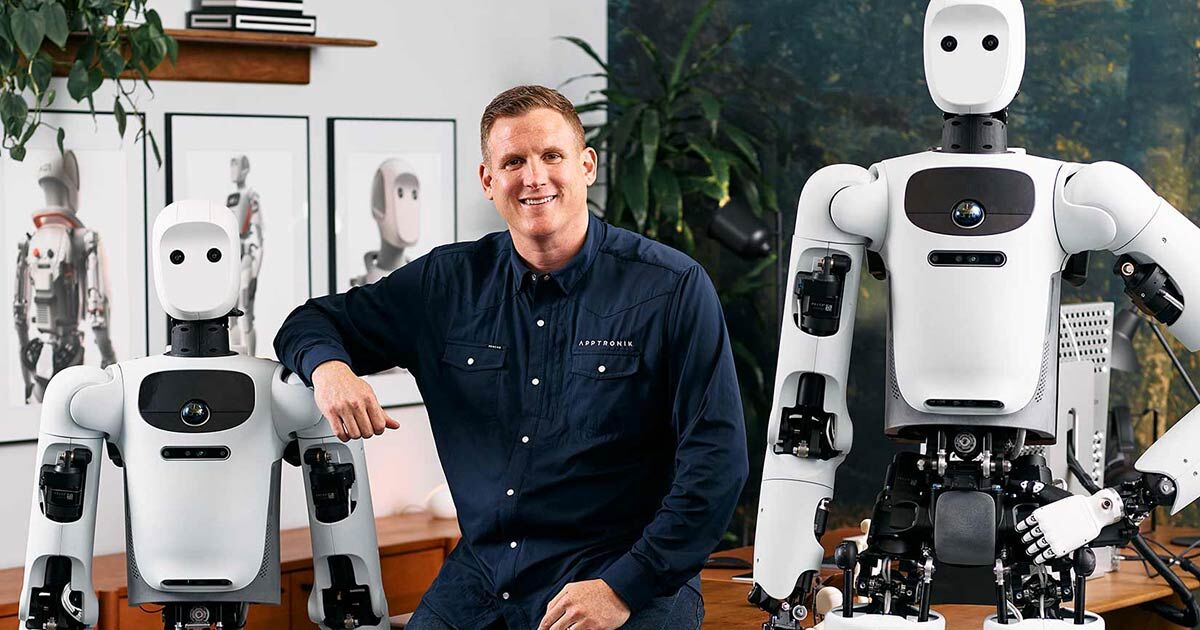
Apptronik teamed up with Google. The deal says as much about Austin as about robots.
A partnership between an Austin hardware startup and DeepMind's robotics team puts the city at the center of the humanoid race.
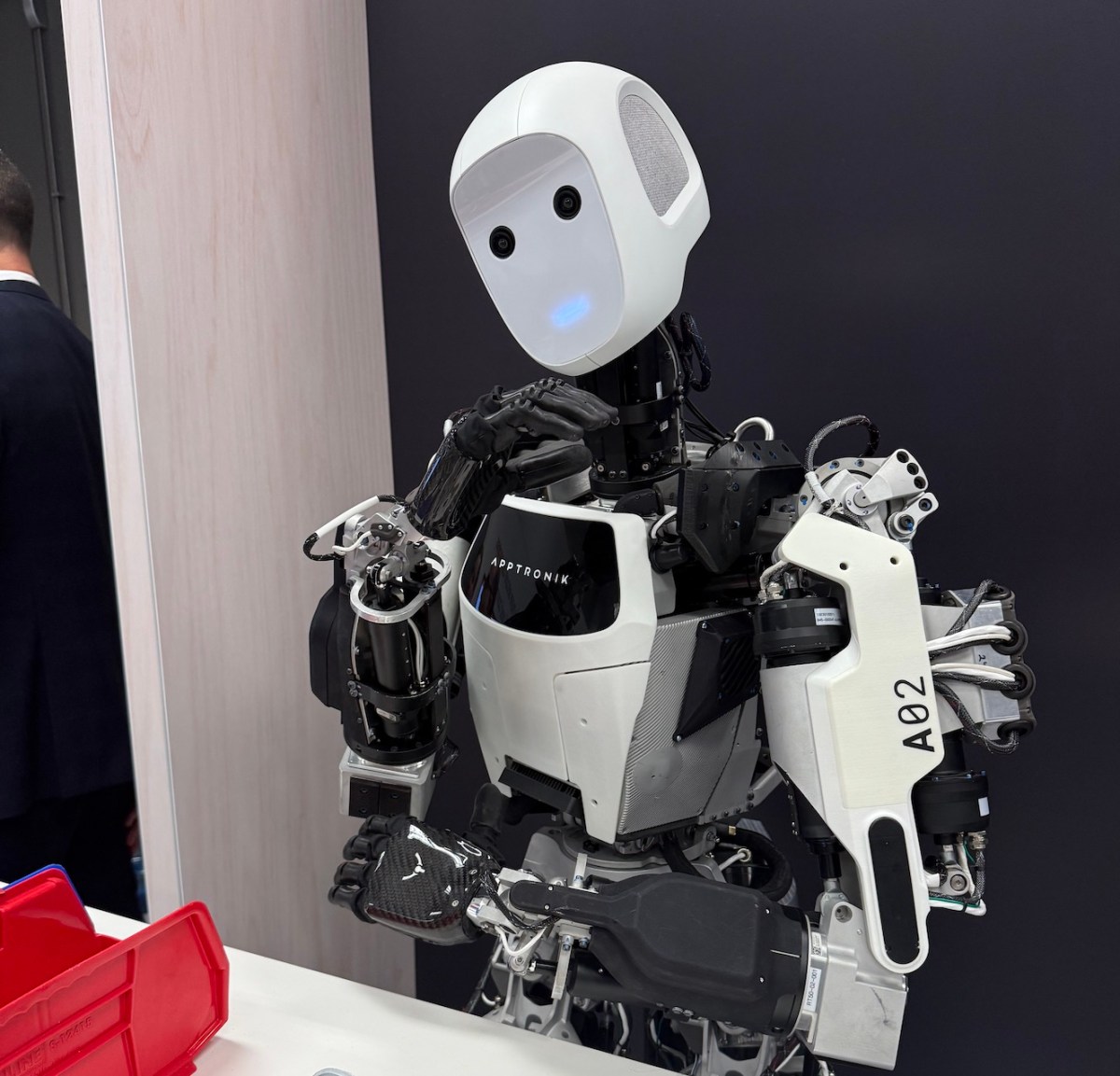
AUSTIN — When Apptronik announced a strategic partnership with Google DeepMind's robotics team, it did more than secure a marquee logo. It signaled that one of the most advanced AI organizations in the world had chosen to pair its models with hardware built in an Austin industrial park.
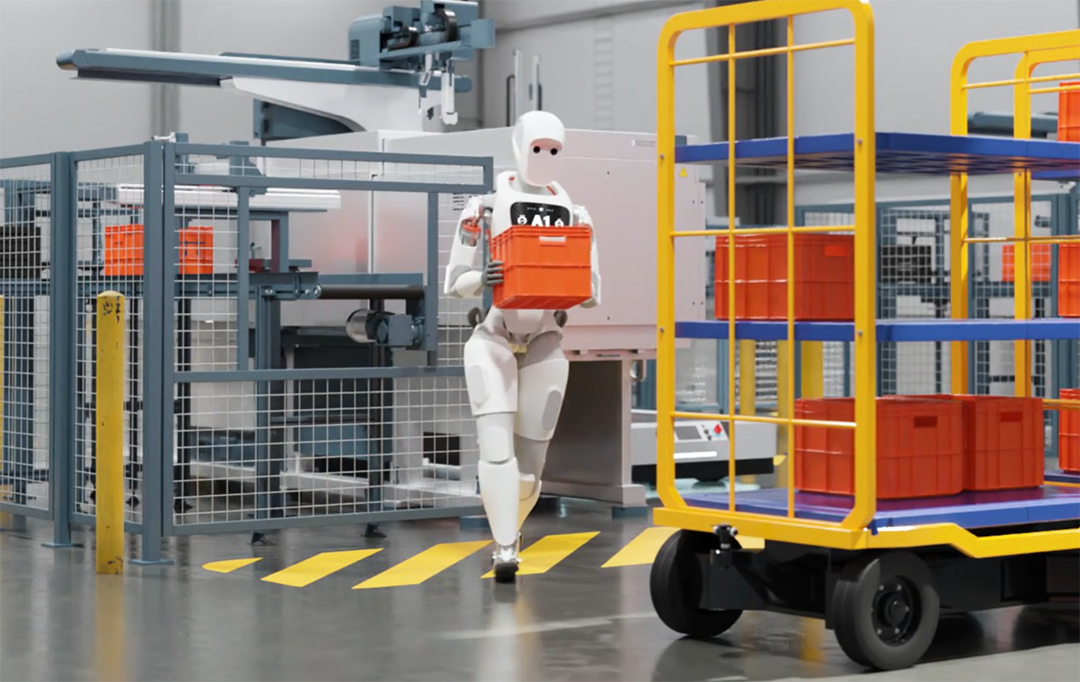
The logic of the deal is straightforward. Apptronik builds the body — its humanoid Apollo, refined through earlier work with NASA — while DeepMind contributes the kind of large AI models that could give a robot the ability to generalize across unpredictable real-world tasks. The bet underlying the entire humanoid sector is that hardware is no longer the bottleneck; intelligence is.
The partnership accompanied a period of intense investor enthusiasm for Apptronik, which raised hundreds of millions of dollars across 2025 and 2026 and reached a $5 billion valuation, with co-founder and CEO Jeff Cardenas framing the broader competition to ship a useful humanoid as the defining technology race of the era.
Why it matters
For Austin, the DeepMind tie-up is a credibility marker. It is one thing for a local startup to raise big rounds; it is another for a frontier AI lab to treat that startup's hardware as the platform worth building on. That is the sort of validation the city has long wanted for its deep-tech ambitions.
It also reframes the talent question. If the future of humanoid robots is a fusion of cutting-edge AI and physical engineering, Austin's appeal grows for researchers who want to work at exactly that intersection — and who would rather do it in Central Texas than relocate to the coasts.
Apptronik announced an innovative, strategic partnership with the Google DeepMind Robotics Team, bringing together best-in-class AI with cutting-edge robotics hardware.— Apptronik, company statement
Reported by Next in Austin. Based on reporting from TechCrunch.