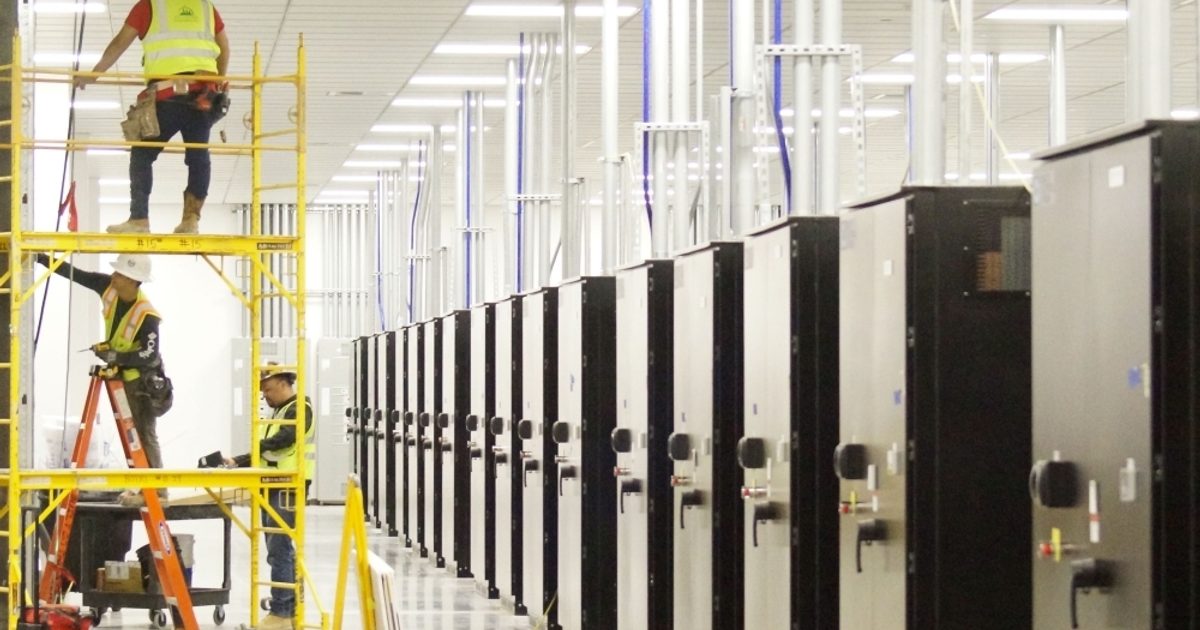
Texas lawmakers can't say how many data centers the state has. That's the problem.
At a Capitol hearing, regulators acknowledged there is no comprehensive list of the facilities reshaping the grid, as senators signaled tighter rules ahead.
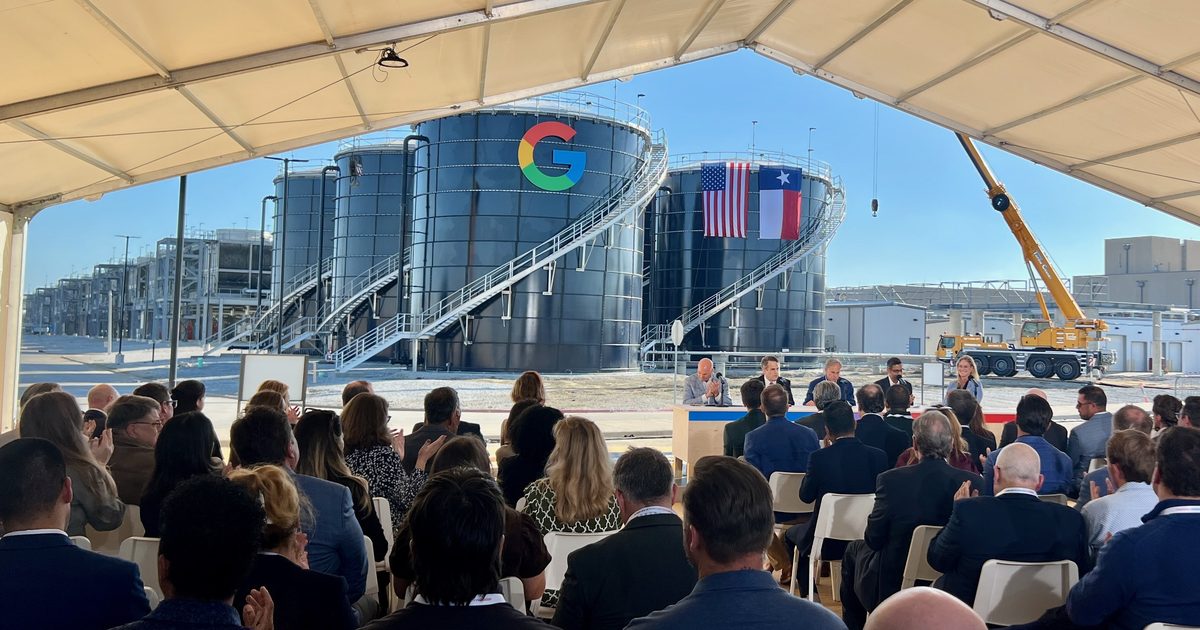
AUSTIN — Texas officials told a state Senate committee in early September that they cannot say precisely how many data centers are operating in the state, an admission that framed a hearing over how to oversee an industry now central to the grid's future.
Public Utility Commission Executive Director Connie Corona said at the September 2 hearing that there is no comprehensive statewide list of existing and planned facilities. State agencies have been trying to close that gap: the Texas Water Development Board and the PUC each sent surveys to developers earlier in the year, but the response was partial — 97 developers replied to the water board's survey, and 57 companies representing 168 facilities responded to the PUC's.
Senators signaled they intend to tighten regulations during next year's legislative session, pressing agencies, county officials and residents to name developers that ignored state surveys or declined to work with the communities around their sites.
Why it matters
The AI build-out runs on electricity and water, and Texas has courted both the data centers and the power projects that feed them. But the hearing laid bare a basic gap: regulators are trying to manage load growth and water use without a reliable inventory of who is building what and where. That uncertainty makes it hard to plan a grid already under strain.
Austin sits at the center of the debate, ranking among the state's busiest metros for data-center projects even as local leaders weigh their own limits. Any statewide rules that emerge next session will shape how, and how fast, the facilities powering AI can keep expanding around the city — and whether the growth arrives with the accounting that regulators say they currently lack.
Reported by Next in Austin. Based on reporting from Community Impact.